

Core Drilling

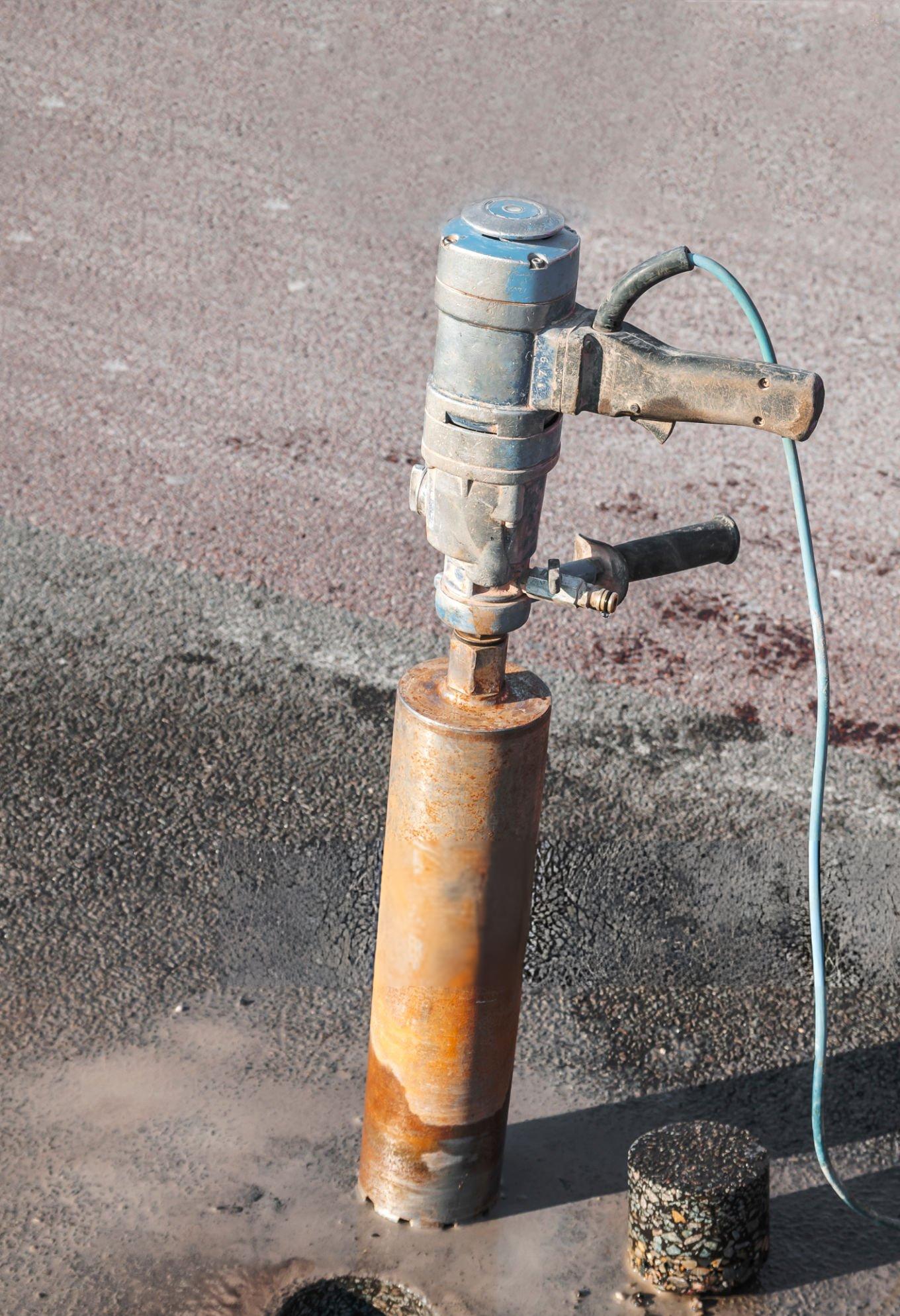
What Is Core Drilling Service?
Core drilling service is a specialised construction technique used to create precise, circular holes in hard materials such as concrete, reinforced concrete, brick, asphalt, and stone. It is widely used in both new construction and renovation projects where accuracy and structural integrity are essential. Unlike traditional drilling methods that can cause cracks or uneven edges, core drilling uses diamond-tipped drill bits to achieve smooth and clean results.
This method is highly valued for its ability to produce holes of various diameters and depths without causing significant vibration or damage to surrounding structures. Whether for plumbing, electrical installations, or structural testing, core drilling ensures efficiency and precision. It is a preferred choice in modern construction because it combines advanced technology with minimal disruption to the work environment.
Types of Core Drilling Services
Handheld Core Drilling
Handheld core drilling is suitable for smaller projects or areas with limited access. It allows operators to drill holes in tight spaces where larger equipment cannot be used. This method is commonly applied for light-duty tasks such as installing small pipes or cables.
Rig-Mounted Core Drilling
Rig-mounted core drilling involves securing the drill to a stand or rig for enhanced stability and precision. This method is ideal for larger and deeper holes, especially in reinforced concrete. It ensures straight and accurate drilling, making it suitable for heavy-duty applications.
Wet Core Drilling
Wet core drilling uses water to cool the drill bit and reduce dust during the drilling process. This technique improves efficiency, extends the lifespan of the equipment, and maintains a cleaner work environment. It is commonly used in indoor projects or areas where dust control is critical.
Dry Core Drilling
Dry core drilling is used when water cannot be applied, such as in electrical installations or sensitive environments. It relies on specialised drill bits designed to manage heat and debris without water. This method is suitable for lighter materials and controlled conditions.
Benefits of Core Drilling Service
High Precision and Clean Results
Core drilling delivers highly accurate and smooth holes with minimal surface damage. The clean edges reduce the need for additional finishing, saving both time and effort. This precision is essential for installations that require exact measurements.
Minimal Structural Impact
One of the major advantages of core drilling is its low vibration. Unlike traditional methods, it does not cause cracks or weaken surrounding structures. This makes it ideal for projects where maintaining structural integrity is critical.
Versatility in Applications
Core drilling can be used on a wide range of materials and for various purposes. From small residential tasks to large industrial projects, it adapts to different requirements with ease. The ability to drill at different angles further enhances its versatility.
Reduced Noise and Dust
Modern core drilling techniques are designed to minimise noise and dust. Wet drilling, in particular, significantly reduces airborne particles, creating a safer and more comfortable working environment.
Common Applications of Core Drilling
Plumbing Installations
Core drilling is essential for creating openings for pipes and drainage systems. It allows precise placement of plumbing lines without damaging surrounding structures, ensuring efficient installation.
Electrical and Cable Routing
Electrical systems often require holes for wiring and conduits. Core drilling provides clean and accurate openings, making it easier to route cables safely and efficiently.
HVAC System Installation
Heating, ventilation, and air conditioning systems require ducts and vents to pass through walls and floors. Core drilling ensures these openings are perfectly sized and positioned for optimal performance.
Structural Testing and Analysis
Core drilling is also used to extract samples from concrete structures for testing. These samples help engineers assess the strength and quality of the material, ensuring safety and compliance with standards.
Equipment Used in Core Drilling
Diamond Core Drill Bits
Diamond core drill bits are the most important tools in this process. They are designed to cut through hard materials with precision and durability. The diamond segments provide sharpness and long-lasting performance.
Core Drilling Machines
Core drilling machines come in various sizes and configurations, including handheld and rig-mounted models. They provide the power and control needed to drill through tough materials efficiently.
Drill Rigs and Stands
Drill rigs and stands are used to stabilise the equipment during operation. They ensure accurate alignment and consistent drilling, especially for larger or deeper holes.
Water Supply Systems
In wet drilling, water supply systems are used to cool the drill bit and control dust. This not only improves performance but also extends the lifespan of the equipment.
Safety Measures in Core Drilling
Use of Personal Protective Equipment
Operators must wear safety gear such as helmets, gloves, goggles, and hearing protection. This helps prevent injuries from debris, noise, and dust exposure.
Dust and Slurry Management
Proper management of dust and slurry is essential to maintain a safe work environment. Wet drilling reduces dust, while vacuum systems can be used to collect debris and keep the area clean.
Equipment Inspection and Maintenance
Regular inspection and maintenance of drilling equipment ensures safe and efficient operation. Well-maintained tools reduce the risk of accidents and improve performance.
Skilled and Trained Operators
Core drilling requires expertise and precision. Trained professionals understand the correct techniques and safety procedures, ensuring high-quality results and minimal risk.
Factors to Consider Before Core Drilling
Material Type and Thickness
Different materials require different drilling techniques and equipment. Understanding the composition and thickness of the material helps in selecting the appropriate method.
Hole Size and Depth
The size and depth of the hole determine the type of drill bit and equipment needed. Accurate planning ensures the desired outcome without complications.
Location and Accessibility
The location of the drilling area affects the choice of equipment. Tight or elevated spaces may require specialised tools or methods.
Environmental Conditions
Factors such as dust control, noise restrictions, and water availability must be considered before starting the project. These conditions influence the choice between wet and dry drilling.
Advantages Over Traditional Drilling Methods
Greater Accuracy
Core drilling provides superior accuracy compared to traditional methods. The use of diamond bits ensures clean and precise cuts every time.
Less Damage to Surroundings
Traditional drilling methods can cause cracks and structural damage. Core drilling minimises these risks, preserving the integrity of the structure.
Faster and More Efficient
Core drilling is quicker and more efficient, especially for large or complex projects. It reduces labour time and improves overall productivity.
Cleaner Work Environment
With reduced dust and debris, core drilling creates a cleaner and safer work environment. This is particularly important in indoor or occupied spaces.
Future Trends in Core Drilling
Technological Advancements
The industry is evolving with the introduction of advanced drilling equipment and automation. These innovations improve precision, efficiency, and safety in core drilling operations.
Eco-Friendly Practices
There is a growing emphasis on environmentally friendly practices. Modern techniques focus on reducing waste, minimising dust, and conserving resources.
Increased Demand in Construction
As construction projects become more complex, the demand for precise drilling solutions continues to grow. Core drilling remains a vital service in meeting these requirements.