

Concrete Spraying

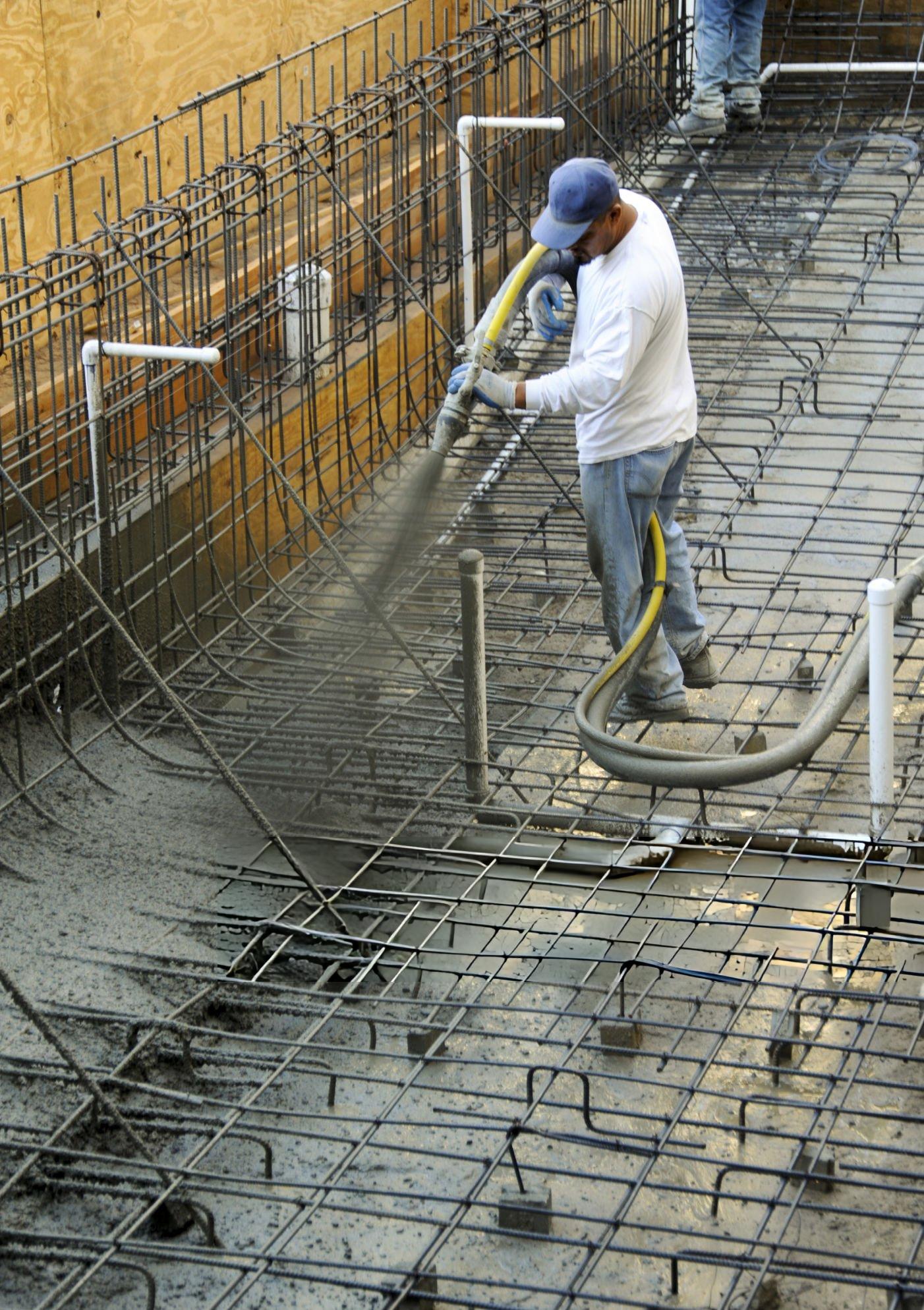
What Is Concrete Spraying Service?
Concrete spraying service, commonly known as shotcrete application, is a modern construction method used to apply concrete or mortar at high velocity onto surfaces. This technique allows the material to adhere instantly, forming a dense, durable, and uniform layer without the need for traditional formwork. It is widely used in construction, repair, and reinforcement projects where speed, strength, and flexibility are essential.
Concrete spraying can be applied to vertical, horizontal, and overhead surfaces, making it highly versatile. The process involves specialised equipment that mixes and propels the concrete through a hose and nozzle, ensuring consistent application. This method is particularly useful in projects where access is limited or where complex shapes need to be covered efficiently.
Types of Concrete Spraying Methods
Dry-Mix Shotcrete
Dry-mix shotcrete involves feeding dry cement and aggregates into a hose, with water added at the nozzle during application. This method allows operators to control the water content in real time, making it suitable for projects that require precise adjustments. It is commonly used for repairs and smaller-scale applications.
Wet-Mix Shotcrete
Wet-mix shotcrete uses pre-mixed concrete that is pumped through a hose to the nozzle. Air is added at the nozzle to propel the mixture onto the surface. This method provides better consistency and is ideal for large-scale projects where uniform quality is required.
Manual Application
Manual concrete spraying is used for smaller or detailed work where precision is important. Skilled operators control the nozzle by hand, ensuring accurate placement of material in hard-to-reach areas.
Robotic Application
Robotic concrete spraying uses automated equipment to apply shotcrete. This method improves safety and efficiency, especially in hazardous environments such as tunnels or mines. It also ensures consistent application and reduces labour requirements.
Benefits of Concrete Spraying Service
High Strength and Durability
Concrete spraying creates a dense and compact layer that offers excellent strength and durability. The high-velocity application improves bonding with the surface, resulting in a long-lasting finish.
Reduced Construction Time
One of the key advantages of concrete spraying is its speed. The process eliminates the need for formwork and allows for rapid application, significantly reducing construction time and labour costs.
Versatility in Application
Concrete spraying can be used on a wide range of surfaces and structures. It is suitable for complex shapes, curved surfaces, and confined spaces where traditional methods may not be effective.
Improved Adhesion
The high-pressure application ensures strong adhesion to the substrate. This makes concrete spraying ideal for repair and reinforcement projects where a secure bond is essential.
Common Applications of Concrete Spraying
Tunnel and Underground Construction
Concrete spraying is widely used in tunnel construction to stabilise and reinforce surfaces. It provides immediate support to surrounding rock and soil, ensuring safety and structural integrity.
Slope Stabilisation
In areas prone to erosion or landslides, concrete spraying is used to stabilise slopes. It creates a protective layer that prevents soil movement and enhances the durability of the terrain.
Structural Repairs
Concrete spraying is an effective solution for repairing damaged or deteriorating structures. It restores strength and extends the lifespan of buildings, bridges, and other infrastructure.
Swimming Pools and Water Structures
Shotcrete is commonly used in the construction of swimming pools, water tanks, and reservoirs. Its flexibility allows for the creation of customised shapes and designs.
Equipment Used in Concrete Spraying
Shotcrete Machines
Shotcrete machines are used to mix and deliver concrete to the nozzle. They are designed to handle both dry and wet mix methods, ensuring efficient and consistent application.
Air Compressors
Air compressors provide the pressure needed to propel the concrete mixture onto the surface. They play a crucial role in achieving proper adhesion and compaction.
Hoses and Nozzles
Specialised hoses and nozzles are used to direct the flow of concrete. The nozzle design allows operators to control the spray pattern and thickness of the application.
Robotic Spraying Systems
Robotic systems are used in large-scale or hazardous projects. They improve precision, reduce manual labour, and enhance safety during the spraying process.
Safety Measures in Concrete Spraying
Protective Equipment
Operators must wear protective gear such as helmets, gloves, goggles, and respiratory masks. This helps protect against dust, debris, and high-pressure material.
Dust and Ventilation Control
Concrete spraying can generate dust, especially in dry-mix applications. Proper ventilation and dust control measures are essential to maintain air quality and ensure worker safety.
Equipment Maintenance
Regular maintenance of spraying equipment ensures efficient operation and reduces the risk of accidents. Well-maintained machinery provides consistent results and improves safety.
Skilled Workforce
Concrete spraying requires trained professionals who understand the correct techniques and safety procedures. Skilled operators ensure high-quality application and minimise risks.
Factors to Consider Before Concrete Spraying
Surface Preparation
Proper surface preparation is essential for successful concrete spraying. The surface must be clean, stable, and free of loose material to ensure strong adhesion.
Environmental Conditions
Weather conditions such as temperature, humidity, and wind can affect the spraying process. Proper planning is required to achieve optimal results.
Thickness and Layering
The required thickness of the sprayed concrete determines the number of layers needed. Applying the correct thickness ensures structural strength and durability.
Material Selection
Choosing the right mix of concrete is crucial for the success of the project. Factors such as strength, setting time, and application method must be considered.
Advantages Over Traditional Concrete Methods
No Need for Formwork
Concrete spraying eliminates the need for formwork, reducing material costs and labour. This makes the process faster and more efficient.
Better Coverage
The spraying method ensures even coverage on complex surfaces. It allows for seamless application in areas that are difficult to reach with traditional methods.
Enhanced Bonding
The high-velocity application improves bonding between the concrete and the surface. This results in a stronger and more durable structure.
Cost Efficiency
By reducing labour, time, and material requirements, concrete spraying offers a cost-effective solution for many construction projects.
Future Trends in Concrete Spraying
Automation and Robotics
The use of robotic systems in concrete spraying is increasing. These technologies improve precision, safety, and efficiency in large-scale projects.
Sustainable Practices
There is a growing focus on eco-friendly materials and methods in construction. Concrete spraying is evolving to reduce waste and energy consumption.
Advanced Materials
New developments in concrete mixtures are enhancing the performance of sprayed concrete. These materials offer improved strength, durability, and resistance to environmental factors.