Explore high-quality paddling gear designed for every water adventure. From durable paddles and oars to reliable safety equipment, kayak and canoe accessories, and comfortable water sports clothing.

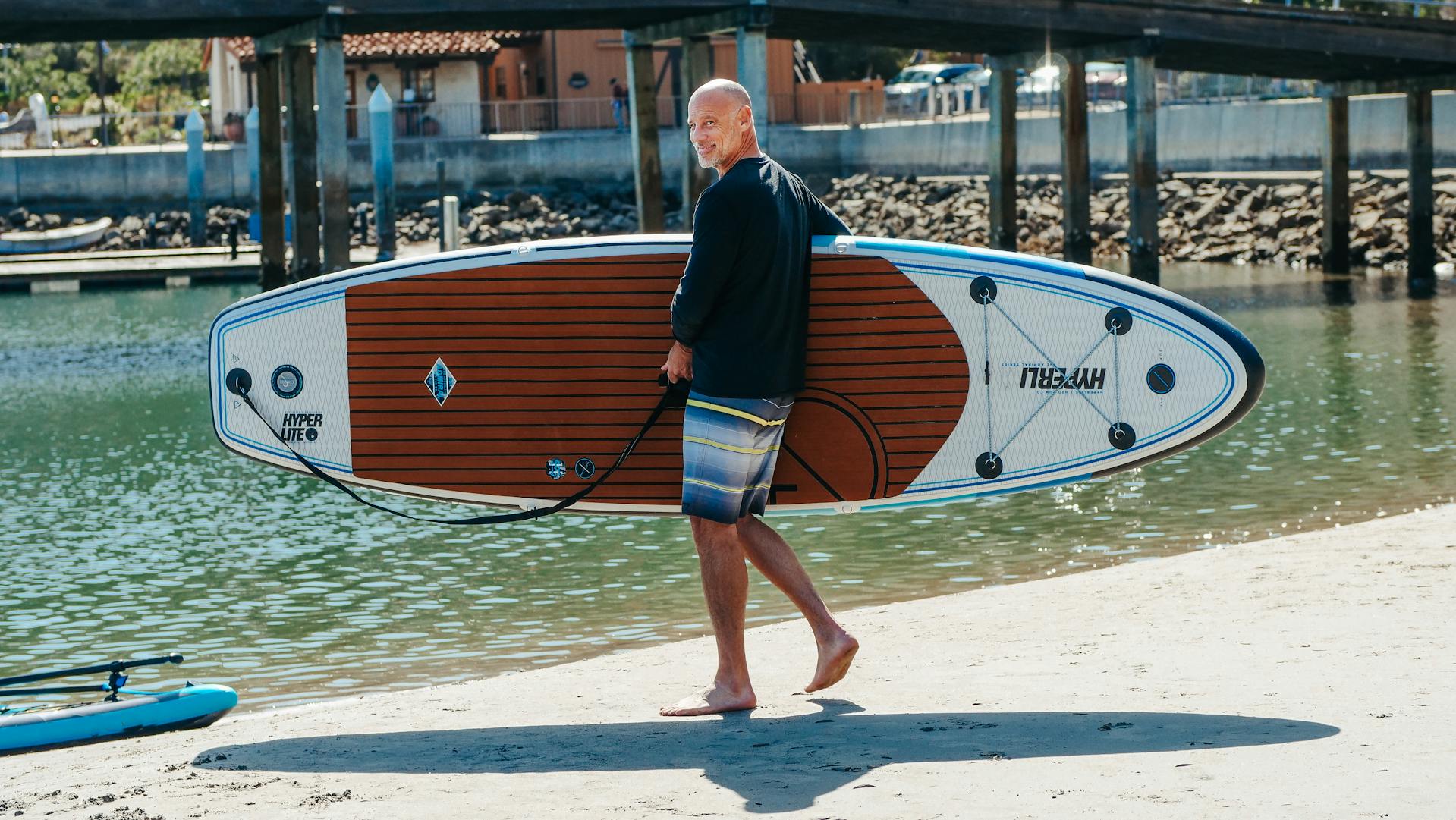
Paddles and oars are essential tools for navigating watercraft such as kayaks, canoes, and stand-up paddle boards. Without them, controlling direction, speed, and stability on the water would not be possible. As water sports continue to grow in popularity, the demand for high-quality paddles and oars has increased significantly.
Paddles are specifically designed for human-powered watercraft where the paddler uses upper body strength to move through the water. The design, length, and material of a paddle play an important role in paddling efficiency. A well-designed paddle reduces fatigue and allows the paddler to move smoothly and consistently across the water.
The supply of paddles and oars includes products tailored for different watercraft and paddling styles. Kayak paddles are designed differently from canoe paddles, and stand-up paddle board paddles have their own unique structure. Each design supports the specific movement and position of the paddler.
Another important factor in paddle supply is material quality. Modern paddles are often constructed from lightweight and durable materials that improve performance and comfort. Strong and lightweight designs allow paddlers to spend more time on the water without excessive strain.
As kayaking, canoeing, and stand-up paddle boarding become more popular outdoor activities, reliable paddle and oar supply continues to play a vital role in the water sports industry.
Kayak paddles are designed with a double-bladed structure that allows paddlers to alternate strokes on each side of the kayak. This design helps maintain balance and directional control while moving efficiently across the water.
A typical kayak paddle consists of two blades connected by a central shaft. The paddler sits inside or on top of the kayak and uses alternating strokes to propel the kayak forward. This symmetrical paddling motion allows the kayak to move smoothly without the need for steering equipment.
Kayak paddles are available in various lengths, depending on the kayak’s width and the paddler’s height. Choosing the correct paddle length helps improve comfort and paddling efficiency. A paddle that is too short or too long can cause unnecessary strain on the shoulders and arms.
Another important aspect of kayak paddles is blade design. Some blades are wider to provide stronger power during each stroke, while others are narrower for smoother and more efficient paddling over long distances.
High-quality kayak paddles are designed to balance strength and weight. Lightweight paddles allow paddlers to maintain consistent strokes without excessive fatigue during extended trips.
The blade design of a kayak paddle directly affects how efficiently it moves through the water. Paddle blades are typically shaped to catch water during the stroke and push it backward, creating forward movement for the kayak.
Wide blades are commonly used for powerful strokes. These blades allow paddlers to generate strong bursts of speed, which can be helpful in rough water or during quick maneuvers.
Narrow blades, on the other hand, are designed for endurance paddling. They reduce resistance during the stroke and allow paddlers to maintain a steady rhythm over long distances.
Some kayak paddles also feature angled blades. This feathered design helps reduce wind resistance and allows smoother transitions between strokes.
Selecting the right blade design depends on the paddler’s preferred style and the type of water conditions they encounter.
Canoe paddles differ significantly from kayak paddles. Instead of having two blades, canoe paddles have a single blade attached to a shaft with a grip handle at the top. The paddler uses one side of the canoe to paddle and may switch sides to maintain direction.
The single-blade design allows for strong and controlled strokes. Canoe paddlers often use different paddling techniques to steer and guide the canoe through the water.
Canoe paddles are generally longer than kayak paddles because paddlers sit higher above the water. The length of the paddle helps ensure the blade can fully reach the water during each stroke.
The handle at the top of the paddle provides control and leverage. This grip allows paddlers to guide the paddle through the water while maintaining balance and direction.
Canoe paddles are widely used for recreational paddling, river exploration, and long-distance touring. Their simple yet effective design has remained largely unchanged for generations.
Canoe paddles come with different blade shapes designed for specific paddling styles. Each blade type influences the way the paddle moves through the water.
One common blade design is the beavertail shape. This blade is long and narrow, allowing smooth and quiet strokes. It is often used for calm water paddling and traditional canoeing techniques.
Another blade design is the wider recreational blade. These paddles provide stronger power during each stroke, making them suitable for beginners and casual paddlers.
Touring paddles often feature slightly curved blades that improve water catch and increase paddling efficiency. These blades allow paddlers to maintain steady progress over long distances.
Selecting the appropriate blade style depends on the paddling environment and the paddler’s experience level.
Stand-up paddle board paddles are designed specifically for paddlers who stand upright while moving across the water. These paddles are longer than canoe paddles and are built to accommodate the standing position.
A typical SUP paddle includes a long shaft, a single blade, and a handle grip at the top. The paddler reaches forward and places the blade into the water, pulling it backward to propel the board forward.
The length of a SUP paddle is important for maintaining proper posture during paddling. A paddle that is too short forces the paddler to bend excessively, while a paddle that is too long can make strokes inefficient.
Many SUP paddles are adjustable so that paddlers can modify the length according to their height and paddling style. Adjustable paddles are especially useful for shared equipment or beginners learning proper techniques.
SUP paddle blades are designed to provide smooth power during each stroke. Their shape helps move water effectively while maintaining stability on the board.
SUP paddle blades are typically wider than canoe paddle blades. This design allows the blade to capture more water during each stroke, helping move the paddle board forward efficiently.
The shaft of the paddle must balance flexibility and strength. A shaft that is too stiff may cause discomfort during long sessions, while a shaft that is too flexible may reduce paddling power.
Ergonomic handle grips are also important in SUP paddle design. The handle provides comfort and control while guiding the paddle through the water.
Modern SUP paddle designs focus on reducing weight while maintaining durability. Lightweight paddles allow paddlers to maintain consistent strokes during long paddling sessions.
These design improvements help improve the overall paddleboarding experience and reduce fatigue for paddlers.
The materials used in paddles play a major role in their performance and durability. Modern paddle construction focuses on lightweight materials that provide strength without increasing weight.
Many paddles are made from durable synthetic materials that resist water damage and environmental wear. These materials help paddles maintain their structure even after repeated exposure to water and sunlight.
Lightweight materials are particularly important for long-distance paddling. Heavy paddles can quickly tire the paddler’s arms and shoulders, reducing comfort during extended trips.
Strong paddle shafts also help absorb impact from rocks or debris in rivers. Durable construction ensures that paddles remain reliable in different water conditions.
High-quality paddles combine strength, flexibility, and lightweight design to provide efficient and comfortable performance on the water.
Selecting the right paddle is essential for maximizing comfort and efficiency on the water. Different watercraft require paddles designed specifically for their paddling style.
Kayak paddles are best suited for seated paddling positions and provide balanced strokes on both sides of the kayak. Canoe paddles are ideal for single-side paddling and offer strong directional control.
SUP paddles are designed for standing paddlers and allow efficient forward movement while maintaining balance on the board.
Paddle length, blade shape, and material all influence paddling performance. Choosing the correct combination ensures that paddlers can move comfortably and efficiently across the water.
With the continued growth of water sports activities, the demand for high-quality paddles and oars remains strong. Reliable paddle supply ensures that paddlers can explore lakes, rivers, and coastal waters with confidence and control.

Explore high-quality paddling gear designed for every water adventure. From durable paddles and oars to reliable safety equipment, kayak and canoe accessories, and comfortable water sports clothing.