
Life Jackets for Paddlers
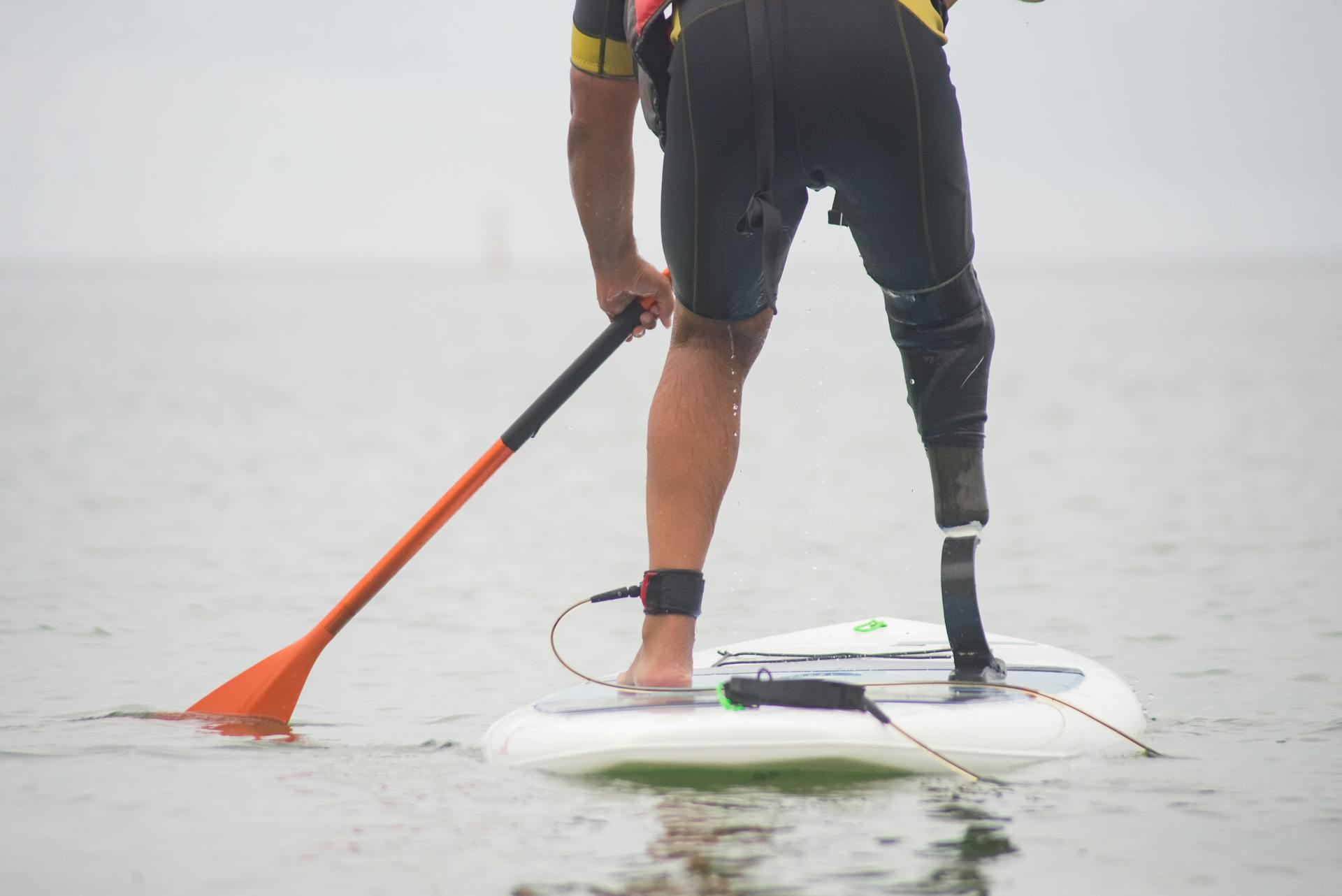
Life jackets, also known as personal flotation devices, are one of the most important pieces of paddling safety equipment. These devices are designed to keep a person afloat in the water, reducing the risk of drowning during an accident.
Paddlers wear life jackets to maintain buoyancy if they fall into the water unexpectedly. Whether paddling in calm lakes or fast-moving rivers, flotation devices provide critical protection and help paddlers stay above water until they regain control of their watercraft.
Life jackets are designed with lightweight materials and adjustable straps to ensure a secure fit. A properly fitted life jacket allows the paddler to move freely while still providing the necessary flotation support.
Another advantage of life jackets is their ability to assist tired or injured paddlers. If someone becomes exhausted or unable to swim, the flotation device keeps them afloat until assistance arrives.
Many paddling environments require life jackets as a basic safety standard. Wearing one at all times significantly improves safety during kayaking, canoeing, and stand-up paddleboarding activities.
Features of Modern Life Jackets
Modern life jackets are designed to provide both safety and comfort. Unlike older bulky designs, current flotation devices are lightweight and allow paddlers to move their arms freely.
One important feature is adjustable straps. These straps allow paddlers to tighten the jacket so it fits securely without restricting movement. A snug fit ensures that the jacket remains effective during a fall or sudden movement.
Many life jackets also include multiple buoyancy panels that distribute flotation evenly across the body. This design improves balance and helps keep the wearer upright in the water.
Some life jackets also include small pockets for storing safety tools such as whistles or small communication devices. These added features improve accessibility to important emergency equipment.
The improved comfort and functionality of modern life jackets encourage paddlers to wear them consistently during their water activities.
Helmets for Paddling Safety
Helmets are another important component of paddling safety equipment, especially for activities in fast-moving rivers or rocky environments. These helmets are designed to protect the head from impacts caused by rocks, obstacles, or accidental collisions.
Whitewater kayaking and river paddling often involve navigating narrow channels, rapids, and strong currents. In these conditions, the risk of hitting rocks or other obstacles increases. Wearing a helmet significantly reduces the risk of head injuries.
Paddling helmets are constructed from durable materials that absorb impact and protect the skull during accidents. Their protective shell and internal padding help reduce the force of sudden impacts.
Helmets also include adjustable straps that keep them securely positioned during paddling. Proper fit is essential to ensure that the helmet stays in place even during rough water conditions.
Although helmets are most commonly used in whitewater environments, some paddlers also wear them during coastal exploration or rocky river navigation for additional safety.
Helmet Design and Comfort
Paddling helmets are specifically designed to balance protection and comfort. The outer shell is built to withstand strong impacts while remaining lightweight enough for long paddling sessions.
Inside the helmet, padded liners provide cushioning and help absorb shock during collisions. These liners also improve comfort, allowing paddlers to wear the helmet without discomfort.
Ventilation openings are another important feature. These openings allow airflow through the helmet, preventing overheating during extended paddling activities.
Adjustable retention systems ensure that the helmet fits securely on different head sizes. A well-fitted helmet improves both safety and comfort.
Modern helmet designs combine protection, ventilation, and lightweight materials to create reliable safety equipment for challenging paddling environments.
Rescue Gear for Emergency Situations
Rescue gear plays a critical role in paddling safety, particularly in environments where strong currents or unexpected hazards may occur. This equipment helps paddlers respond quickly to emergencies and assist others in distress.
Rescue gear often includes tools designed to help retrieve paddlers who have fallen into the water or become trapped in difficult conditions. These tools improve response time and allow paddlers to manage emergencies more effectively.
Having rescue equipment readily available can make a significant difference during accidents. Prepared paddlers can assist themselves or others while waiting for professional help if necessary.
Rescue gear is commonly used by experienced paddlers, guides, and outdoor professionals who frequently navigate challenging water conditions.
Throw Bags and Rescue Ropes
Throw bags are one of the most widely used rescue tools in paddling environments. These bags contain a length of floating rope that can be thrown to a person in the water during an emergency.
When a paddler falls into fast-moving water, another paddler on shore or in a stable position can throw the rope toward them. The person in the water can grab the rope and be pulled to safety.
The rope is designed to float on the water’s surface, making it easier for the person in distress to locate and grab it. This design improves visibility and increases the chances of a successful rescue.
Throw bags are compact and easy to store inside kayaks or attached to safety vests. Their portability makes them a valuable addition to any paddler’s safety equipment.
Safety Knives and Cutting Tools
Safety knives are another important part of rescue gear. These tools are designed to cut ropes, fishing lines, or other materials that may become tangled around paddlers or equipment.
In fast-moving water environments, ropes and straps can occasionally create entanglement hazards. A safety knife allows paddlers to quickly cut through these materials and free themselves or others.
These knives are typically designed with corrosion-resistant materials so they remain effective even after repeated exposure to water.
Safety knives are usually carried in easily accessible locations such as life jacket pockets or belt attachments. Quick access ensures that paddlers can respond immediately during emergencies.
Safety Accessories for Paddlers
In addition to major safety gear such as life jackets and helmets, paddlers also rely on smaller safety accessories that improve preparedness on the water. These accessories support communication, visibility, and emergency response.
Safety accessories are especially important during longer paddling trips or when exploring remote water locations. Having the right equipment ensures that paddlers remain prepared for a wide range of situations.
These tools often complement primary safety gear and contribute to a more complete safety system for paddlers.
Whistles and Signaling Devices
Whistles are simple yet effective safety accessories that allow paddlers to signal for help. In situations where paddlers need to attract attention quickly, a whistle can produce a loud sound that carries across water.
Many paddlers attach whistles directly to their life jackets so they remain accessible at all times. This ensures that the paddler can use the whistle even if separated from their boat.
Whistles are particularly useful in foggy conditions, crowded waterways, or emergencies where visibility is limited.
Because they are lightweight and inexpensive, whistles are considered a basic safety accessory for all paddlers.
Waterproof Communication Tools
Communication tools help paddlers stay connected with others during trips. Waterproof communication devices allow paddlers to send signals or alerts if they encounter difficulties.
These tools are especially useful for group paddling activities where maintaining communication between paddlers improves coordination and safety.
Waterproof storage cases are also used to protect communication devices from water exposure. These cases allow paddlers to carry essential electronics safely during their trips.
Reliable communication equipment improves safety by ensuring that help can be requested quickly if needed.
The Importance of Safety Preparation
Paddling safety equipment plays a vital role in protecting paddlers during water adventures. From flotation devices to rescue gear, each piece of equipment contributes to a safer and more prepared paddling experience.
Proper safety preparation allows paddlers to explore waterways with confidence while minimizing potential risks. Wearing the right gear and carrying essential rescue tools can make a significant difference during unexpected situations.
As kayaking, canoeing, and paddle boarding continue to grow in popularity, awareness of paddling safety equipment remains essential. Prepared paddlers can enjoy their outdoor experiences while ensuring that safety always remains a priority on the water.